Archives
- 2026-08
- 2026-07
- 2026-06
- 2026-05
- 2026-04
- 2026-03
- 2026-02
- 2026-01
- 2025-12
- 2025-11
- 2025-10
- 2025-09
- 2025-03
- 2025-02
- 2025-01
- 2024-12
- 2024-11
- 2024-10
- 2024-09
- 2024-08
- 2024-07
- 2024-06
- 2024-05
- 2024-04
- 2024-03
- 2024-02
- 2024-01
- 2023-12
- 2023-11
- 2023-10
- 2023-09
- 2023-08
- 2023-07
- 2023-06
- 2023-05
- 2023-04
- 2023-03
- 2023-02
- 2023-01
- 2022-12
- 2022-11
- 2022-10
- 2022-09
- 2022-08
- 2022-07
- 2022-06
- 2022-05
- 2022-04
- 2022-03
- 2022-02
- 2022-01
- 2021-12
- 2021-11
- 2021-10
- 2021-09
- 2021-08
- 2021-07
- 2021-06
- 2021-05
- 2021-04
- 2021-03
- 2021-02
- 2021-01
- 2020-12
- 2020-11
- 2020-10
- 2020-09
- 2020-08
- 2020-07
- 2020-06
- 2020-05
- 2020-04
- 2020-03
- 2020-02
- 2020-01
- 2019-12
- 2019-11
- 2019-10
- 2019-09
- 2019-08
- 2019-07
- 2019-06
- 2019-05
- 2019-04
- 2018-07
-
In the present study Asian swamp eel CXCR a MaCXCR
2020-05-29
In the present study, Asian swamp eel CXCR1a (MaCXCR1a), MaCXCR1b, MaCXCR2, MaCXCR3a, MaCXCR3b, and MaCXCR4 were identified from the Asian swamp eel genome. To explore the features and functions of these CXCRs, we focused on the identification and molecular characterization of MaCXCRs, and quizartin
-
With the narrow SAR of the tail
2020-05-29
With the narrow SAR of the tail favouring the ortho sulfone group, we examined the remaining position open to substitution at the pyrazole 3-position, in an attempt to at least moderate the excessive human PPB (). Lipophilic groups in this position maintained huge shifts in potency in the absence or
-
This research was funded by grants from the National Institu
2020-05-29
This research was funded by grants from the National Institute on Aging (2R01AG017141-06A2) and the National Center for Complementary and Alternative Medicine (P01AT002034). We also acknowledge the facilities service core of the Environmental Health Science Center (NIEHS ES00240). The authors would
-
Introduction The inflammation process involves sequential ac
2020-05-29
Introduction The inflammation process involves sequential activation of signaling molecules, pro-inflammatory mediators, such as prostaglandins, leukotrienes, and oxygen free radicals [1]. Two cyclooxygenases Isochlorogenic acid A receptor were responsible for activation of the production of prost
-
Bovine collagen type II a
2020-05-29
Bovine collagen type II, a fibrillar collagen mainly found in cartilage, comprises 24 potentially glycosylated lysine residues within its collagen domain. Detailed analysis revealed that 22 out of 23 of these lysine residues are hydroxylated and carry variable numbers of Gal(β1-O) and Glc(α1-2)Gal(β
-
Published results have revealed relationships between serine
2020-05-28
Published results have revealed relationships between serine 81 in AR and some CDKs, especially CDKs 1, 5 and 9 [12], [13], [14], [15], [16]. These results are often supported by pharmacological inhibition of a certain CDK. An effect of CDK1 inhibition on suppression of S81-phosphorylation was previ
-
The ability of TKIs in inducing
2020-05-28
The ability of TKIs in inducing CRTH2 expression could be related to the c-terminal of CRTH2 receptor that is important molecular determinant in the down-stream signaling cascade activation [20]. This requires further studies to prove it or disprove it. Additionally, further studies are needed to ex
-
br Conflict of interest br Acknowledgments Dr Hauger was sup
2020-05-28
Conflict of interest Acknowledgments Dr. Hauger was supported by a BLR&D Merit Review grant from the Department of Veterans Affairs, Veterans Health Administration, Office of Research and Development. Dr. Hauger also received support from the VA Center of Excellence for Stress and Mental Healt
-
The heterogeneity among studies that investigated the associ
2020-05-28
The heterogeneity among studies that investigated the association of COMT Val158Met with alexithymia was also significant (Ham et al., 2005; Min et al., 2016; Swart et al., 2011; Zekioglu et al., 2014). The healthy status, drug effect, and other demographic variables also influenced one\'s ability o
-
The inhibition of CYP activity by NOR was and
2020-05-28
The inhibition of CYP11β activity by NOR was 11- and 2.5-fold higher than those reported for the antifungal agents ketoconazole (IC50: 4.4μM) and clotrimozole (IC50: 1.0μM) (Fernandes and Porte, 2013). Furthermore, NOR was able to inhibit P450 aromatase activity in carp ovaries, although at a rather
-
br Oxidoreductase like MEM for prodrug activation br Future
2020-05-28
Oxidoreductase-like MEM for prodrug activation Future outlook Although MEM-mediated prodrug activation has been performed by different MEMs and prodrugs, and their effectiveness have been proved in vivo, only a few types of MEMs or prodrugs have been explored in prodrug activation until now [2
-
In contrast T bet downregulated the expression of Tfh functi
2020-05-28
In contrast, T-bet downregulated the expression of Tfh functional molecules, CD40L, ICOS, and IL-21; accordingly, T-bet overexpression abrogated the helper function of IL-12-stimulated CD4+ T cells. Thus, T-bet seems more involved in the downregulation of the helper functions than in the differentia
-
Annexin V-Cy5 Apoptosis Kit br Experimental Procedures br Au
2020-05-28
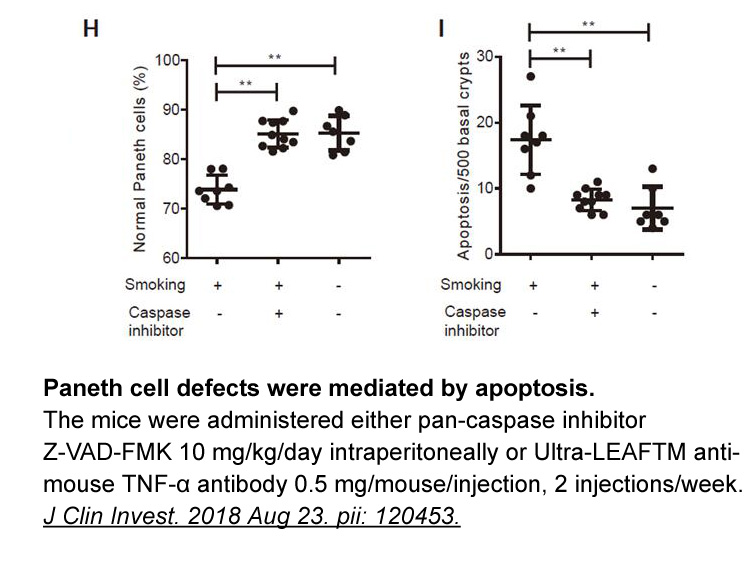
Experimental Procedures Author Contributions Acknowledgments Introduction Oxysterols came to prominence in the late 1970\'s with the oxysterol hypothesis which proposed that the suppressive effect of cholesterol on its own synthesis is mediated through oxysterols not by cholesterol itsel
-
ICT is a product of
2020-05-28
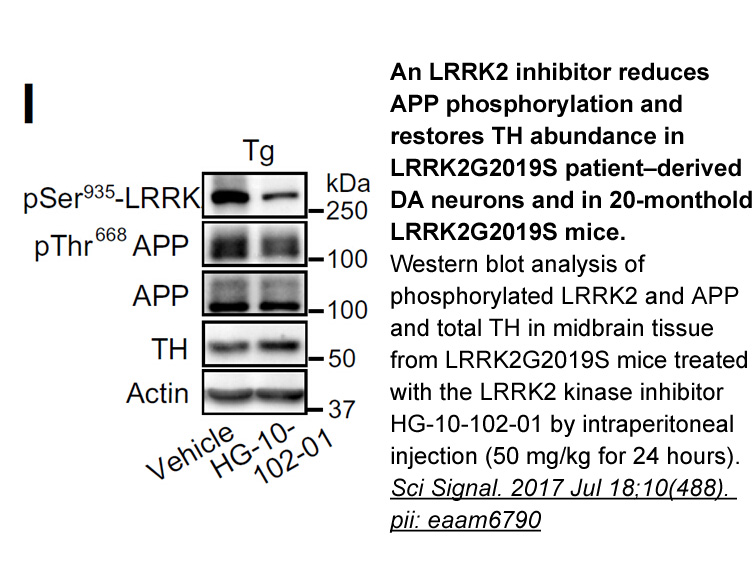
ICT is a product of icariin via the metabolism of intestinal bacteria with estrogen-like activities [33]. ICT as a bone-protecting agent can enhance osteoblast differentiation while suppressing osteoclastic differentiation in vitro [19], and stimulate osteogenic differentiation and inhibit adipogene
-
Hedamycin isolated from Streptomyces griseoruber belongs to
2020-05-28
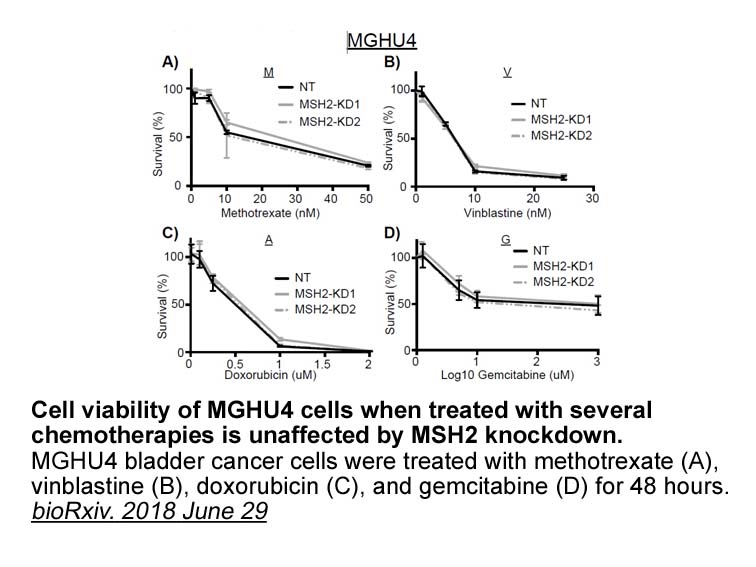
Hedamycin, isolated from Streptomyces griseoruber, belongs to the highly cytotoxic pluramycin class of SR 11302 (Figure 3(c)). It consists of a planar anthrapyrantrione chromophore attached to two amino sugar rings at one end and a bisepoxide-containing side-chain at the other end (Figure 3(c)). He
16286 records 878/1086 page Previous Next First page 上5页 876877878879880 下5页 Last page