Archives
- 2026-10
- 2026-09
- 2026-08
- 2026-07
- 2026-06
- 2026-05
- 2026-04
- 2026-03
- 2026-02
- 2026-01
- 2025-12
- 2025-11
- 2025-10
- 2025-09
- 2025-03
- 2025-02
- 2025-01
- 2024-12
- 2024-11
- 2024-10
- 2024-09
- 2024-08
- 2024-07
- 2024-06
- 2024-05
- 2024-04
- 2024-03
- 2024-02
- 2024-01
- 2023-12
- 2023-11
- 2023-10
- 2023-09
- 2023-08
- 2023-07
- 2023-06
- 2023-05
- 2023-04
- 2023-03
- 2023-02
- 2023-01
- 2022-12
- 2022-11
- 2022-10
- 2022-09
- 2022-08
- 2022-07
- 2022-06
- 2022-05
- 2022-04
- 2022-03
- 2022-02
- 2022-01
-
Growth inhibition assays are the most commonly
2023-08-23
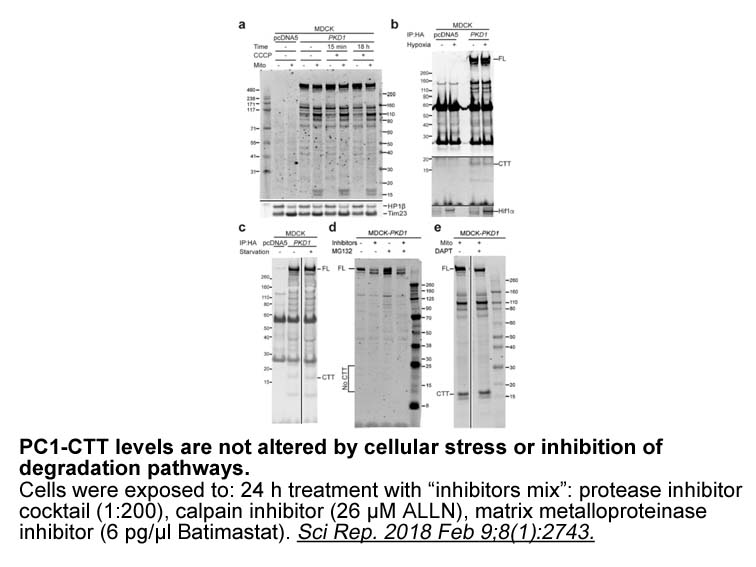
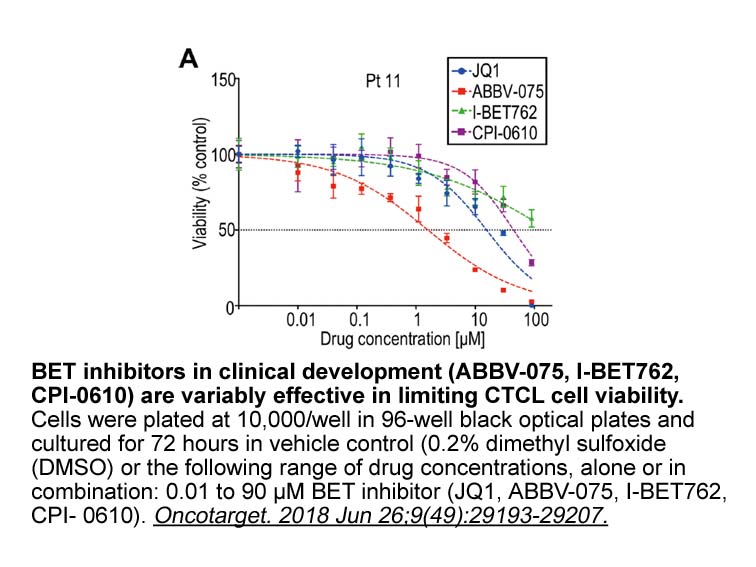
Growth-inhibition assays are the most commonly used to identify antifungal small molecules. However, they have several facts that limit their use since many pathogenic fungi grow as filaments making difficult a correlation between growth and OD (optical density). They are not useful for identifying
-
Numerous epidemiological studies document fewer
2023-08-23
Numerous epidemiological studies document fewer cardiovascular events and increased survival of non-CKD individuals treated with angiotensin-converting enzyme inhibitors/angiotensin receptor blockers (ACEI/ARBs) [8], [9]. By contrast, there are few studies of cardiovascular benefits of interruption
-
br Conclusions br Material and methods br Conflicts of inter
2023-08-23

Conclusions Material and methods Conflicts of interest Acknowledgements Introduction Currently more than 30 human proteins are implicated in a range of degenerative disorders owing to their misfolding and misassembly into various aggregate structures and leading to at least 20 serious
-
Cy7 NHS ester Previous studies have demonstrated that synapt
2023-08-23

Previous studies have demonstrated that synaptic AMPARs can differ greatly in their mobility; some rapidly and constitutively Cy7 NHS ester in and out of the synaptic membrane, while others remain somewhat stable in the synaptic membrane (Luscher et al., 1999, Luthi et al., 1999). We find that mGlu
-
Fig shows a possible scheme of the generation of
2023-08-23
Fig. 8 shows a possible scheme of the generation of AP(+)-exosomes based on this study. In response to inflammatory stimuli, ERAP1 is secreted from ER into the extracellular milieu through the conventional secretion pathway. On the other hand, exosomes are derived from the endosomal pathway, and are
-
MAPs require divalent transition metal ions as cofactors for
2023-08-23
MAPs require divalent transition metal ions as cofactors for activity [21]. Previous studies on MAPs from different organisms indicate cobalt ions to be the most preferred divalent metal activator [22]. However, MAPs also exhibit activity with other divalent cations like Mn(II), Ca(II), Ni(II) or Fe
-
kd025 Some of the earliest LOX inhibitors were
2023-08-23
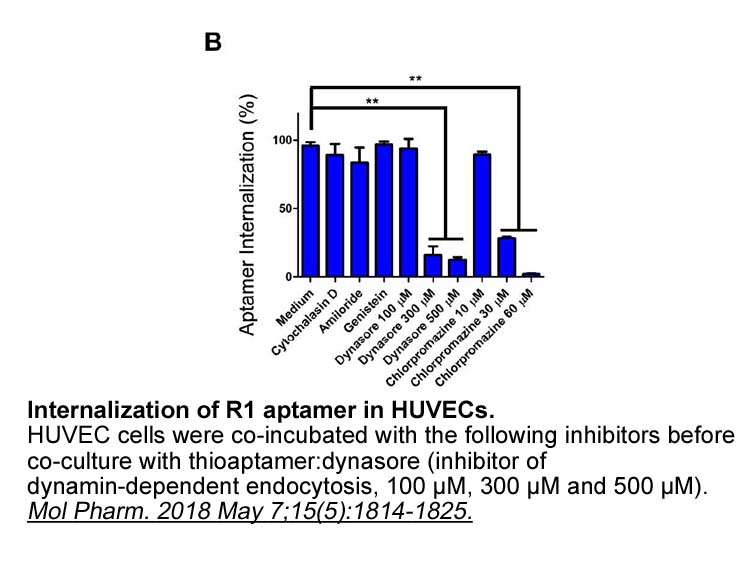
Some of the earliest 12-LOX inhibitors were redox inhibitors, including nordihydroguaiaretic kd025 (NDGA), BW 755C, and baicalein 48, 49, 50. Redox inhibitors block the oxidation of the nonheme iron at the cataylytic site, preventing its conversion from the inactive (Fe2+) to the active (Fe3+) stat
-
br The AHR functions in the immune system
2023-08-22
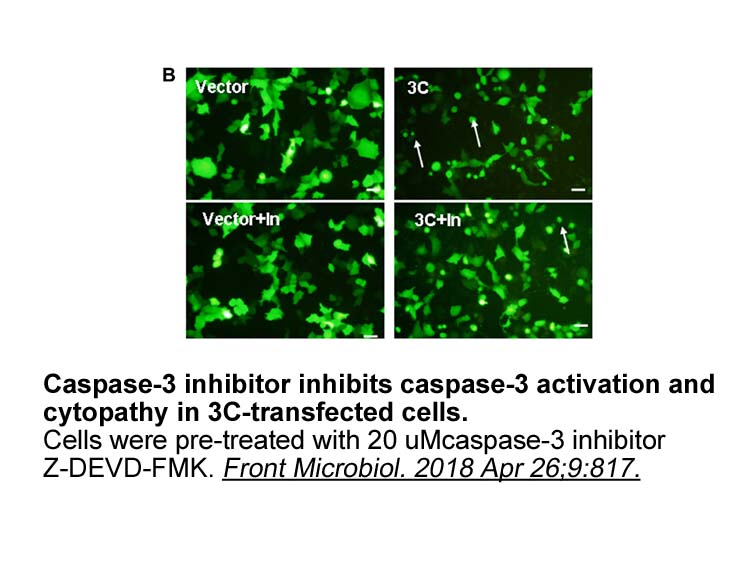
The AHR functions in the immune system – a tsunami of exciting findings The research of recent years has convincingly established an important function of the AHR in linking chemical environmental cues to immune responses [21,22], and reviewed in [1,23]. As a side effect, a view of the AHR as “Th
-
Given the profound expression of HT
2023-08-22
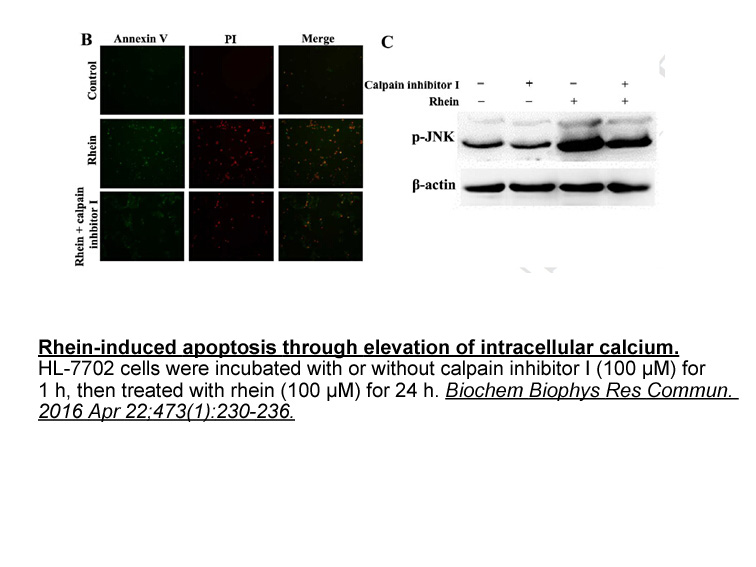
Given the profound Chlorprothixene of 5-HT1A and 5-HT2A in the hippocampal CA1 region, and their potential to complex with mGluRs, the objective of this study was to examine if sleep deprivation alters the expression of 5-HT1A and 5-HT2A receptors and determine whether potential changes are reversib
-
br Results br Discussion To achieve quantitative understandi
2023-08-22
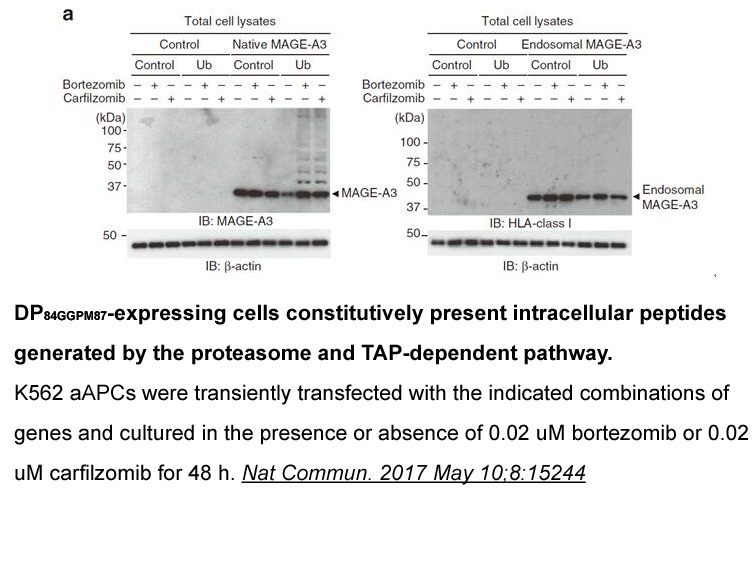
Results Discussion To achieve quantitative understanding of YM178 turnover, we utilize rapidly moving lamellipodial fragments that are geometrically simple, structurally homogeneous, and persistent, and measure relevant rates and concentrations in this system. We find that the lamellipodial a
-
Since pyrrolopyrimidine dithiolanes and both
2023-08-22
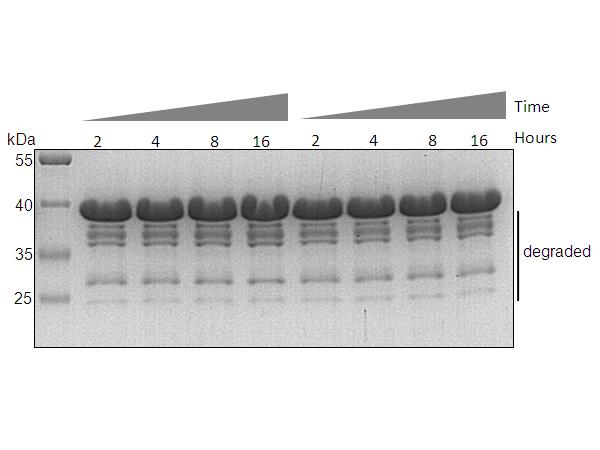
Since pyrrolopyrimidine dithiolanes and both displayed particularly excellent levels of ACK1 inhibition, these analogs were viewed as potential candidates for further investigation in tumor xenograft experiments. While in vitro metabolic studies indicated that pyrrolidine was predicted to be sign
-
In plants altered expression of
2023-08-22
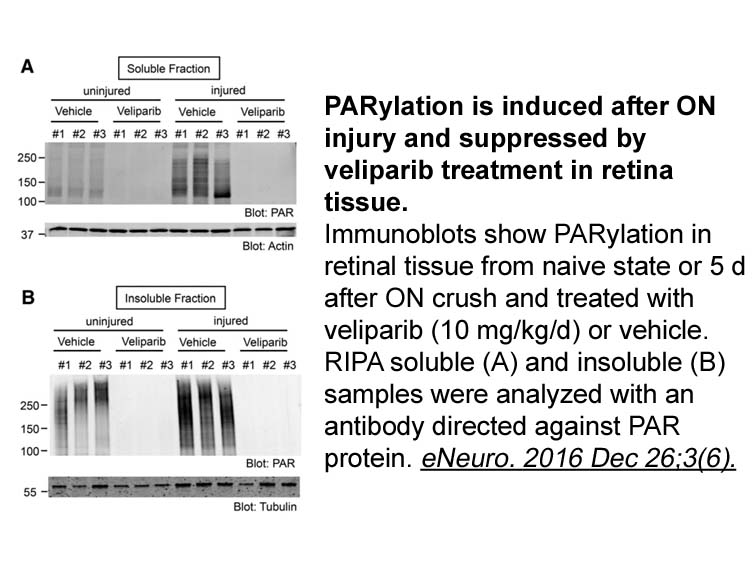
In plants, altered expression of Aurora kinases results in impaired meiotic divisions followed by the formation of aneuploid or polyploid progenies [21]. This observation is interesting from an evolutionary point of view because it can be assumed that, during evolution, the influence of biotic and a
-
ABC super family proteins are found in all forms of
2023-08-22

ABC super family proteins are found in all forms of life and ABC-F subfamily of proteins are involved in cellular processes such as translational control and antibiotic resistance by ribosomal protection [3], [5]. The Mtb ABC proteins that do not contain transmembrane domains have not been studied [
-
Receptors containing an x y subunit
2023-08-22
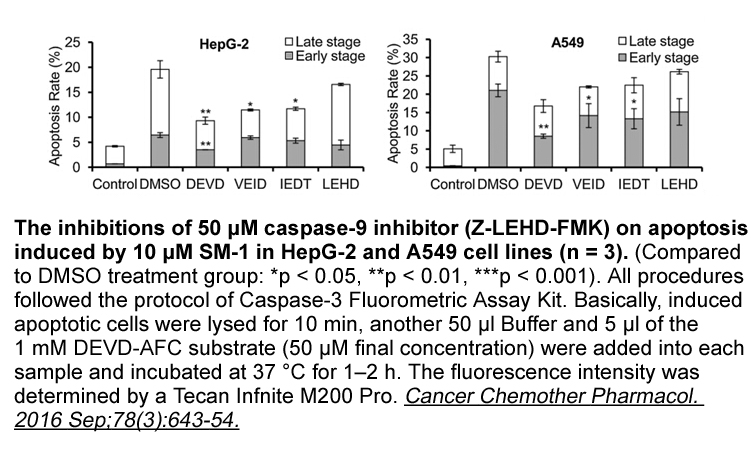
Receptors containing an αx/γy subunit interface, where x=1, 2, 3, 5 and y=1–3, form a high-affinity binding site for benzodiazepines (Figure 1A), for the later developed Z-drugs of different chemotypes, and for a large number of chemically distinct research compounds 17, 18 (Box 1 for examples). For
-
The contractility index showed positive inotropic effects of
2023-08-22
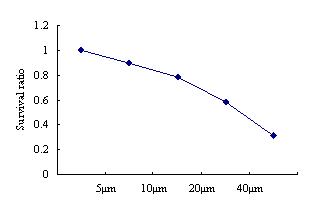
The contractility index showed positive inotropic effects of apelin in both doses at min 5 (Fig. 3, Fig. 5). Although the mean arterial pressure did not recover to the baseline, the contractility index increased, the relaxation index (tau) and ±dp/dt max returned back to their baseline, and left ven
8433 records 324/563 page Previous Next First page 上5页 321322323324325 下5页 Last page